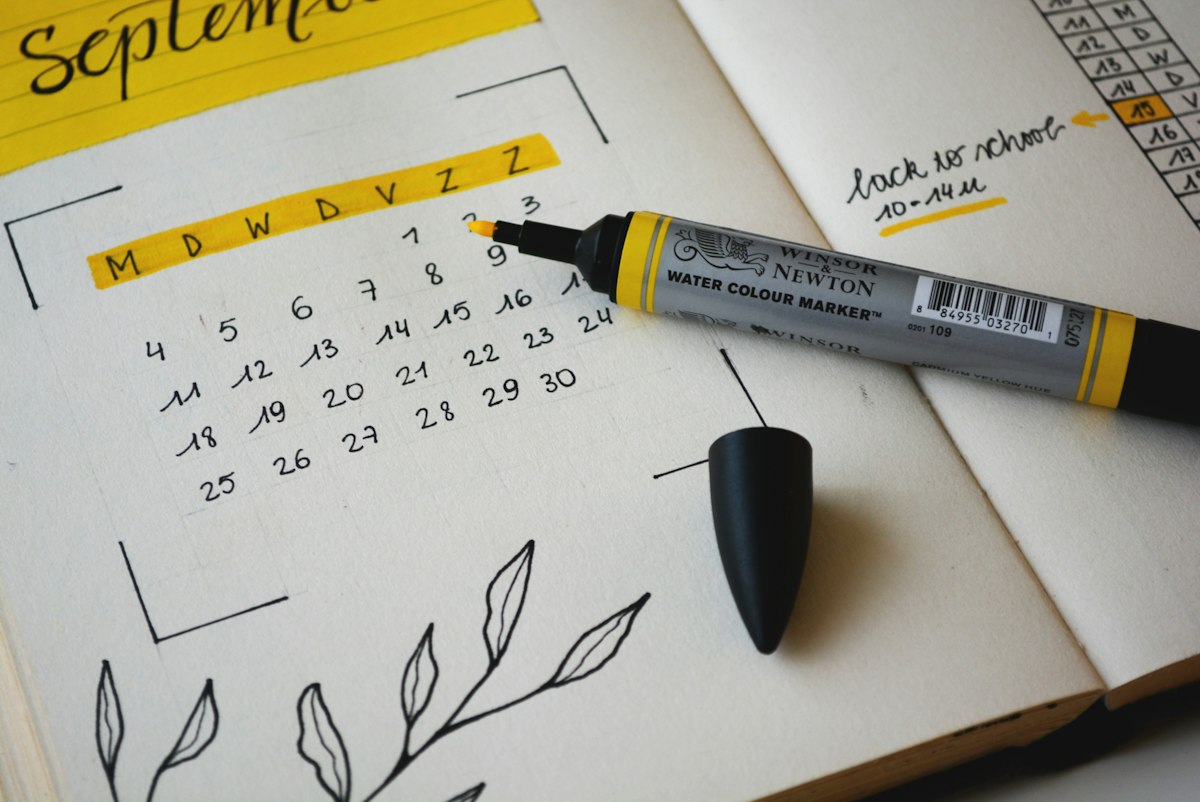
TL;DR: Community shows collapse when tech week arrives before lines are cold. Fix opening night, count twelve weeks backward for the first read-through, and assign music, blocking, and costume deadlines to that arc. Calculate which calendar day sits twelve weeks from today so cast conflicts, venue blackouts, and ticket sales share one opening date.
Opening night as the only honest north star
Volunteer casts juggle day jobs, school pickups, and other clubs. If the director says “we open in late spring,” every conflict request becomes negotiable and every missed rehearsal feels harmless. Naming the Friday or Saturday of opening weekend turns absences into measurable risk. Actors can see whether they miss music week or fight-call week, and stage managers can protect the nights that actually move the show.
Twelve weeks suits many community musicals and straight plays with modest production values. It leaves room for table work, rough blocking, off-book pressure, and a short tech sandwich without demanding professional six-day weeks. Shorter arcs punish late casting; longer arcs invite attendance decay. Match the genre: a two-hander with light props may need less; a dance-heavy musical should treat twelve weeks as a minimum, not a stretch goal.
Venue contracts often lock the performance hall for a specific weekend. Your twelve-week rehearsal start must respect that lock plus any shared-space blackouts for other renters. Calculate opening night first, then verify the hall is actually yours that weekend before publishing audition flyers.
Cast the calendar before you cast the show
Publish the full rehearsal skeleton with the audition notice. List music nights, blocking nights, and the first off-book date tied to week numbers that end on opening. Actors who cannot clear tech week should not accept lead roles hoping the dates will soften. Transparent calendars reduce mid-process replacements that torch morale.
Hold one conflict round after casting. Collect known travel, exams, and work travel against the twelve-week grid. Redistribute understudy coverage early rather than discovering a hole during cue-to-cue. When two leads share the same blackout weekend in week nine, you still have time to restage; in week eleven you do not.
Parent volunteers and board members need the same dates for lobby staffing, concession buys, and program print deadlines. Treat front-of-house as part of the rehearsal arc, not a separate club that wakes up two days before house opens.
Week-by-week pressure that matches amateur energy
- Weeks 1–2: Table reads, music sectional starts, designer meet-and-greet.
- Weeks 3–5: Rough blocking acts one and two; establish entrance maps.
- Weeks 6–7: Detail passes, fight or dance safety, costume fittings batch one.
- Week 8: Off-book target for book scenes; note runs with pencils down.
- Weeks 9–10: Work-throughs, props finalized, second fittings, publicity photos.
- Week 11: Spacing in the venue, cue lights if available, dry tech fragments.
- Week 12: Tech, dress, opening—protect sleep and cut new “ideas.”
Straight plays can compress music weeks into text analysis. Musicals should not steal dance nights for “just one more design meeting.” Guard the art forms that need repetition.
Ticket sales and publicity tied to rehearsal milestones
Soft marketing can start at casting, but hard ticket pushes work better after a presentable run-through—often around week eight or nine on a twelve-week plan. Promising “opening soon” without a date confuses patrons; printing the wrong Saturday is worse. Lock the calculated opening date on posters, Facebook events, and school permission slips before you spend print budget.
Program bios and sponsor logos have print lead times. Set a copy deadline two weeks before opening so the printer’s turnaround does not collide with tech. That deadline only stays real when opening night is fixed and shared.
School matinees or talkbacks need chaperone ratios and bus arrival windows. Schedule those against the same opening weekend cluster so you do not invent a Thursday matinee after the lighting plot is plotted for evening looks only.
Design and tech capacity inside eighty-four days
Community shops rarely have weekday builders. Count build Sundays inside the twelve weeks and decide what must be rented. A grand staircase that appears in week ten sketches will not dry in time. Designers should propose substitutes early when the calendar says the build hours are gone.
Borrow agreements for furniture and costumes need return dates after closing, not after “the run.” Closing night plus one is a date you can write on a sticky note; “sometime after” is how props vanish into basements.
Safety calls—weapons check, fog machine tests, quick-change rehearsals—belong on the grid before dress. Squeezing them into an already late tech day is how injuries and missed cues happen.
Rescue plans when attendance melts in week six
If two leads miss three straight rehearsals, do not pretend the original off-book date still holds. Either extend the arc by recalculating a later opening (only if the venue allows) or simplify staging now. Prideful loyalty to an obsolete week-eight target creates a public stumble on opening night.
Weather and school closures wipe weeknights. Keep one floating “catch-up” slot inside the twelve weeks rather than assuming perfect attendance. When you use it, mark it used so you do not spend the same buffer twice.
Community theater thrives on shared time, not heroic all-nighters. Fix opening night, generate the rehearsal start twelve weeks earlier, and let every fitting, off-book demand, and lobby shift hang on that spine. If the hall moves your weekend, recalculate with 12 Weeks From Today and republish the grid before the cast memorizes the wrong pressure points.